
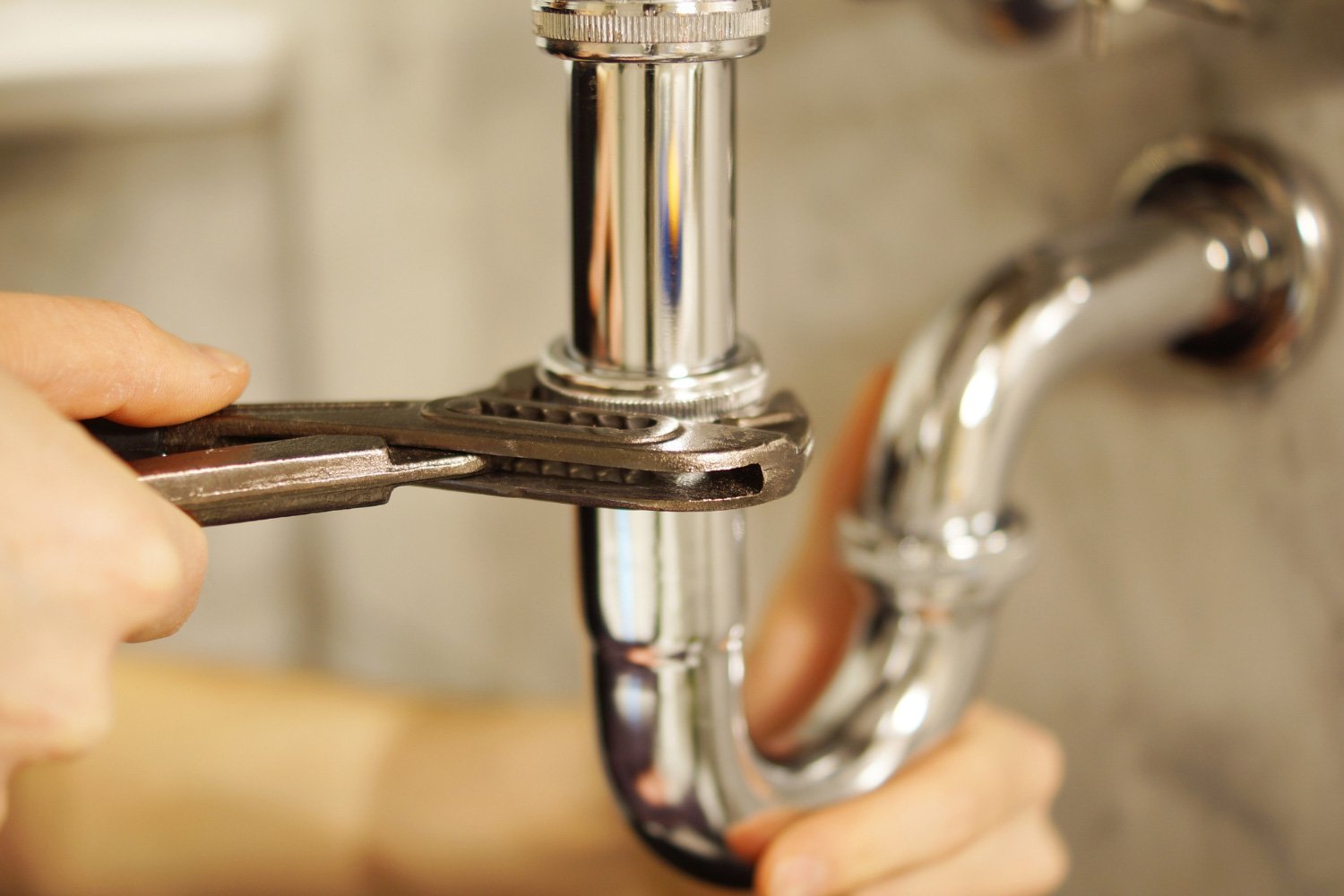
Pipe Leaking
A leaking pipe is one of the most common and potentially damaging plumbing issues a homeowner can face. While a small drip may seem harmless, even a minor leak can waste hundreds of gallons of water, weaken structural elements, and encourage mold growth. When it comes to pipe leaking, early detection and timely repair are crucial to protecting your home and keeping utility costs under control.
Why Pipe Leaks Are a Serious Problem
- Water Damage: Leaks can soak walls, ceilings, and floors, leading to costly repairs.
- Mold and Mildew: Moisture creates the perfect environment for unhealthy mold growth.
- Higher Water Bills: Even slow leaks add up to significant water waste over time.
- Structural Issues: Persistent leaks may weaken your home’s foundation or wooden framing.
Common Causes of Pipe Leaks
- Corrosion – Old pipes made of steel or copper can rust and weaken over time.
- High Water Pressure – Excessive pressure puts stress on joints and weak spots.
- Loose Connections – Fittings and joints may loosen and drip with regular wear.
- Clogs – Blockages increase pressure inside pipes, sometimes causing cracks.
- Temperature Changes – Freezing and thawing cycles can cause pipes to expand and burst.
Signs You May Have a Leaking Pipe
- Water stains on walls or ceilings
- Musty odors in certain rooms
- Unexplained increase in water bills
- Reduced water pressure
- Dripping sounds inside walls or floors
Quick Temporary Fixes for Pipe Leaks
While waiting for a plumber, you can try these short-term solutions:
- Pipe Clamps or Epoxy Putty: Seal small leaks temporarily.
- Plumber’s Tape: Helps tighten connections and stop drips.
- Shut Off Water Supply: Always turn off the main valve to prevent further damage.
Why You Need a Professional Plumber
DIY repairs may buy you time, but they’re not permanent solutions. A licensed plumber can:
- Locate hidden leaks using advanced detection tools.
- Replace damaged sections of pipe safely and correctly.
- Inspect your entire plumbing system to prevent future leaks.
- Ensure repairs meet local plumbing codes.
Preventing Future Pipe Leaks
- Schedule annual plumbing inspections.
- Install a pressure regulator to protect pipes from high pressure.
- Replace aging pipes before they fail.
- Insulate exposed pipes to prevent freezing in winter.
Final Thoughts
A leaking pipe should never be ignored. What starts as a small drip can quickly turn into a flood, causing extensive water damage and expensive repairs. By keeping an eye out for warning signs and scheduling regular plumbing maintenance, you can catch problems early and protect your home. Trusting a professional plumber to repair pipe leaks ensures lasting solutions, peace of mind, and a healthier home environment.