
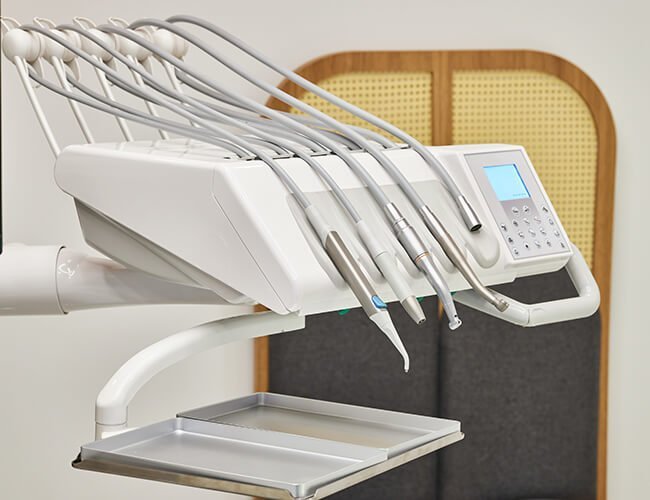
New Technology Makes for Better Dental Operations
In recent years, the field of dentistry has seen remarkable technological advancements that are revolutionizing how dental procedures are performed. From faster diagnosis to more comfortable treatments, new dental technology is transforming patient care—making operations more precise, less invasive, and more efficient than ever before.
Whether you’re visiting for a routine cleaning or undergoing complex oral surgery, here’s how technology is making your next dental visit safer, smoother, and smarter.
1. Digital Imaging & 3D Scanning
Traditional X-rays are being replaced by digital radiography, which produces high-resolution images with less radiation exposure. Even more advanced are 3D cone beam CT scans, which provide a full 360-degree view of the mouth, jaw, and nerves.
✅ Benefits:
- Accurate diagnosis
- Better treatment planning
- Faster image processing
- Less radiation exposure
2. Laser Dentistry
Lasers are being used to treat a variety of dental issues with more precision and less pain. Laser technology can be used for:
- Gum reshaping
- Cavity treatment
- Root canal disinfection
- Teeth whitening
✅ Benefits:
- Minimally invasive
- Little to no bleeding
- Faster healing times
- Reduced need for anesthesia
3. CAD/CAM & Same-Day Crowns
Thanks to Computer-Aided Design/Computer-Aided Manufacturing (CAD/CAM), patients can now receive crowns, bridges, and veneers in a single appointment.
✅ Benefits:
- No messy impressions
- Perfectly fitted restorations
- Saves time—no temporary crown needed
4. Intraoral Cameras
These pen-sized cameras give dentists and patients a close-up view of what’s happening inside the mouth in real time. It’s an excellent tool for education and diagnosis.
✅ Benefits:
- Better patient understanding
- Early detection of issues
- Enhanced documentation
5. AI in Dental Diagnostics
Artificial Intelligence is now being used to analyze X-rays, identify signs of decay or bone loss, and even predict future dental issues. This allows for earlier intervention and improved patient outcomes.
✅ Benefits:
- Fast, data-driven insights
- Increased accuracy
- Reduced risk of human error
6. Teledentistry
Patients can now consult with dentists online through secure video platforms. This is especially helpful for initial consultations, follow-ups, or rural patients with limited access to clinics.
✅ Benefits:
- Convenience
- Reduced wait times
- Increased access to care
7. Robotic-Assisted Surgery
In more advanced cases, especially in dental implants or maxillofacial surgery, robotic tools assist dentists in performing complex procedures with greater precision.
✅ Benefits:
- Higher surgical accuracy
- Less risk of complications
- Faster recovery
The Future of Dentistry Is Here
These innovations aren’t just about making a dentist’s job easier—they’re about improving your experience as a patient. Faster appointments, less discomfort, and better results mean more people are getting the care they need without fear or hesitation.
As dental technology continues to evolve, patients can expect even more personalized, comfortable, and effective care in the years ahead.
Thinking of booking your next appointment? Ask your dental provider about the technologies they use—you might be surprised at how advanced (and painless) modern dentistry has become!






Leave a Comment